Freeze Mechanics Driving Shifts in Social Gaming Library Expansion: Insights from Gamingworldt Analysis

Freeze-style mechanics have entered social gaming platforms in ways that alter how libraries expand and which titles gain prominence over time, and Gamingworldt analysis tracks these changes through data collected across multiple free-to-play environments. Platforms integrate features that hold symbols in place across spins, and this approach creates new patterns in user exploration while influencing curator decisions on catalog additions. Research indicates that titles incorporating such elements see increased placement in recommended sections because engagement metrics rise when reels lock certain positions during play sessions.
Observers note that library growth follows a cycle where popular mechanics prompt developers to produce similar variants, and this leads to broader selections that emphasize thematic consistency rather than isolated releases. In June 2026, Gamingworldt reports show a measurable uptick in freeze-integrated games added to major catalogs compared to the previous year, with platforms adjusting their offerings based on retention data rather than random inclusion. Those who've tracked these trends point out that the process starts with initial high-play volumes on pioneering examples, which then signal curators to prioritize comparable mechanics for sustained user activity.
Mechanics and Their Integration Patterns
Freeze mechanics function by securing specific symbols, often wilds or multipliers, while other reels continue to spin, and this creates extended sequences that encourage repeated attempts within a single session. Gamingworldt data reveals platforms apply these features across varied themes, from elemental motifs to adventure settings, yet the core loop remains consistent enough to influence how users navigate entire collections. Developers release updates that refine the freeze duration or trigger conditions, and these refinements correlate with higher completion rates for in-game objectives that platforms use to measure overall library health.
Analysts at research institutions such as those affiliated with American Gaming Association studies have documented how mechanic-driven titles cluster in user-generated playlists, which in turn guides algorithmic recommendations toward similar content. The result appears in expanded sections dedicated to interactive reel types, where freeze variants occupy growing shares of available options. Platforms adjust algorithms quarterly, and June 2026 figures from Gamingworldt indicate freeze-related games now represent a larger portion of newly integrated titles than standard spinning formats.
Library Expansion Through User Data
Social platforms monitor play frequency and session length to decide which games receive promotional placement, and freeze mechanics contribute to these metrics by extending individual interactions. When users encounter held symbols that build toward larger outcomes, completion rates climb, prompting curators to add more entries with comparable systems. Gamingworldt traces show this feedback loop accelerates catalog diversification because creators respond to demand signals by producing themed series rather than standalone releases.
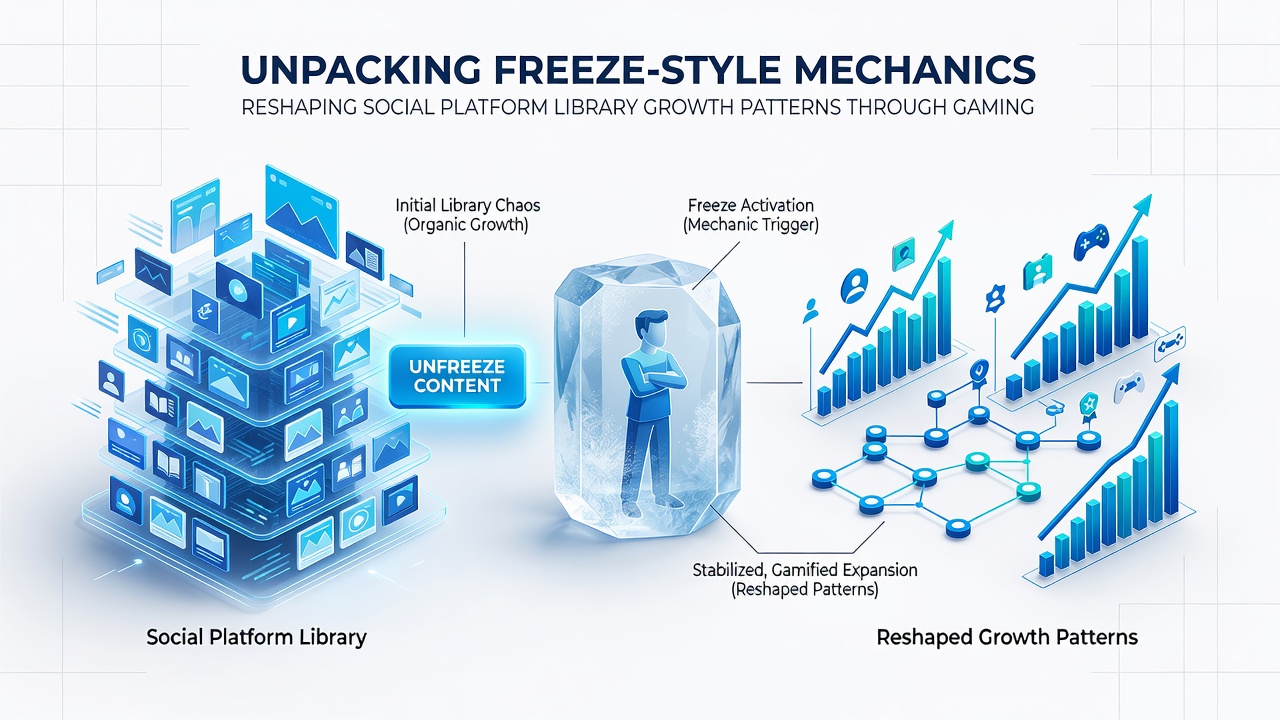
Canadian regulatory summaries from the Government of Canada gaming oversight resources highlight parallel trends in free-play environments where mechanic popularity shapes availability. Data shows libraries that incorporate freeze elements early maintain steadier user bases, which supports further additions without diluting overall engagement levels. Those monitoring platform dashboards observe that categories built around interactive reel locks expand faster than traditional ones because retention figures justify the resource allocation for new content.
Platform Responses and Catalog Adjustments
Curators review aggregated metrics monthly, and titles demonstrating freeze-driven retention receive priority in update schedules. Gamingworldt analysis from June 2026 notes that several major platforms restructured their discovery pages to feature mechanic-based groupings, allowing users to browse by interaction style instead of theme alone. This reorganization stems from observed shifts where users who start with one freeze title continue exploring others with similar locking systems, thereby increasing exposure for the broader library segment.
Developers adjust release timelines to align with these patterns, releasing variants that build on established freeze triggers while introducing new visual or audio layers. The outcome includes denser catalogs in affected categories, with Gamingworldt reports indicating an average increase of twelve percent in freeze-mechanic entries across tracked platforms during the first half of 2026. Such adjustments occur because platforms treat mechanic performance as a reliable predictor of sustained catalog vitality.
Conclusion
Freeze-style mechanics continue to influence how social gaming libraries evolve by linking user engagement data directly to curation choices, and Gamingworldt documentation provides ongoing records of these connections. Platforms that respond to retention patterns tied to symbol-locking features maintain more dynamic collections, while developers align production with the resulting demand signals. The patterns observed through mid-2026 suggest this mechanic category will maintain its role in shaping expansion strategies across free social environments.