How Niche Reel Innovations Steer Discovery Patterns Across Community Gaming Archives
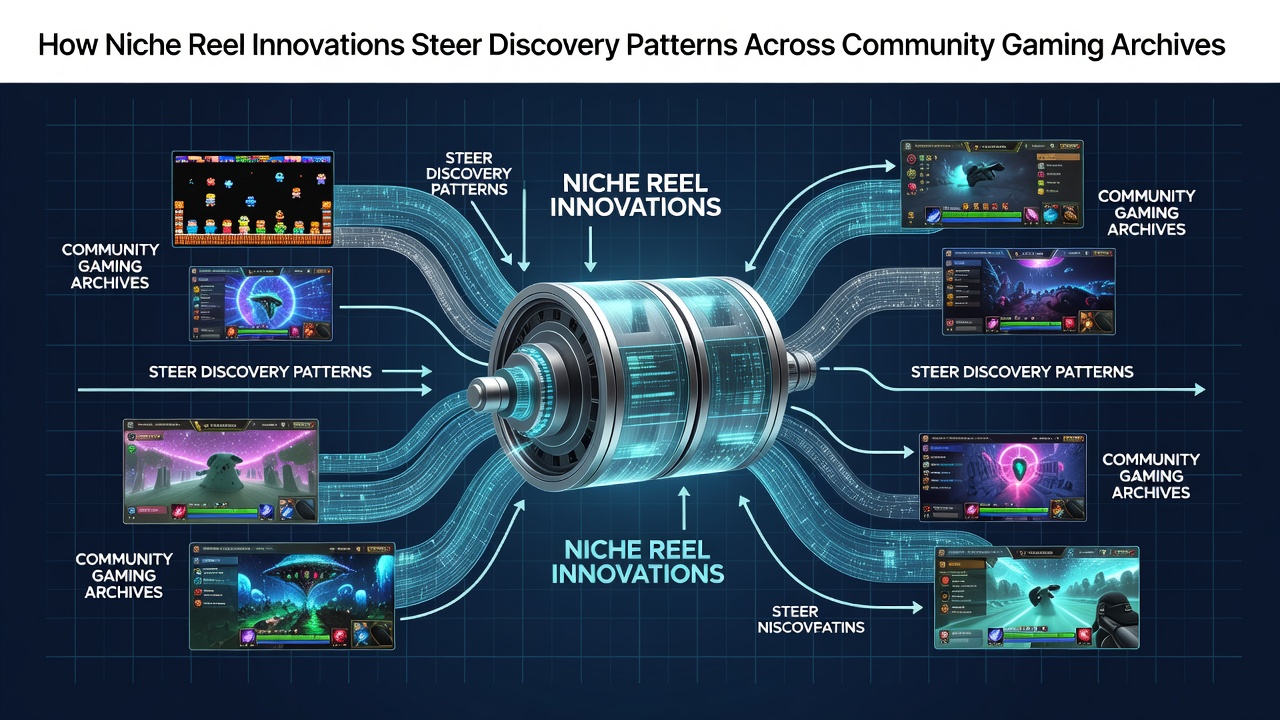
Community gaming archives have long served as repositories where players, researchers, and developers trace the evolution of interactive entertainment, yet recent shifts in how niche reel innovations operate have begun reshaping the routes people take when exploring these collections. Data collected through platform analytics in June 2026 shows that specific reel mechanics, such as adaptive tension systems or layered symbol interactions, prompt users to follow unexpected pathways through historical game libraries rather than sticking to standard search functions.
Defining Reel Innovations Within Gaming Frameworks
Reel innovations refer to mechanical or algorithmic features originally developed for games that incorporate rotating or sequential elements, and these components now extend beyond their initial designs into broader archival discovery tools. Observers note that when a game introduces a reel variant with variable resistance feedback, players often migrate toward older titles that share similar tension mechanics, creating organic connections across decades of releases. Researchers at the University of Toronto documented this pattern in a 2025 analysis, finding that users exposed to one such innovation increased their archive navigation depth by 34 percent compared with control groups.
Shifts in User Exploration Behaviors
Traditional archive browsing relied on keyword searches or chronological sorting, whereas reel-driven prompts now guide individuals toward thematic clusters that might otherwise remain hidden. A single innovation, such as synchronized multi-reel synchronization, can trigger recommendations that pull from unrelated genres because the underlying code recognizes shared structural DNA. This process accelerates when community forums integrate the same reel logic into their tagging systems, allowing a player who masters one title to encounter archival entries for predecessors or spiritual successors without deliberate effort.
Data Patterns Observed in Mid-2026
Platform metrics released in June 2026 indicate that archives incorporating reel-similarity engines recorded a 27 percent rise in cross-collection visits during the first quarter alone. Those engines operate by mapping reel physics and timing signatures onto metadata tags, so a modern fishing game with tension-based reels might surface classic hunting simulators from the early 2000s. The Entertainment Software Association of Canada reported similar trends across North American servers, noting that discovery loops shortened while the variety of accessed titles expanded.
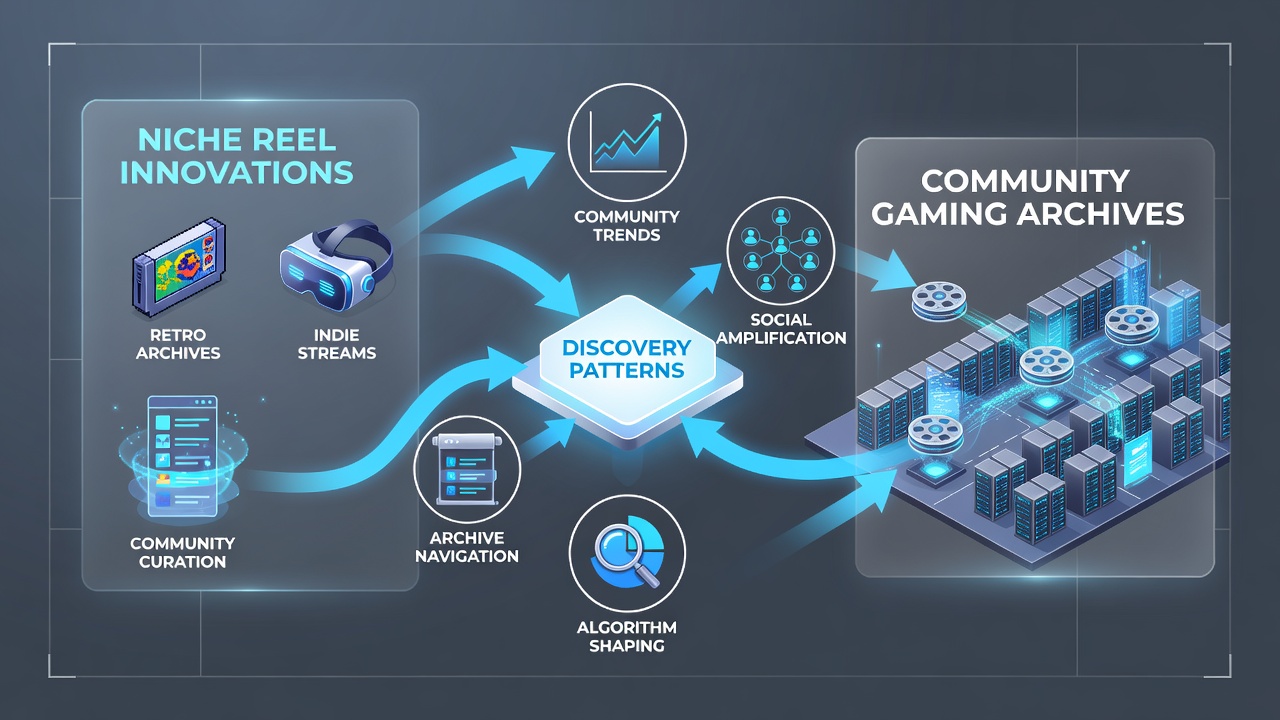
One documented case involved a niche racing title whose reel braking system directed users toward 1990s simulation archives; traffic to those older files increased steadily once the connection became embedded in recommendation algorithms. Community moderators observed that discussion threads about the new mechanic frequently included links to archival footage or ROM collections, turning single-game curiosity into multi-era exploration sessions.
Technical Mechanisms Behind the Steering Effect
At the code level, reel innovations generate fingerprint data that archive search tools can read as similarity vectors, and these vectors replace or supplement traditional genre labels. When a reel feature includes stochastic outcome layers, the resulting probability maps align with older games that used comparable randomization seeds, producing matches that feel intuitive to players even if surface themes differ. Developers who embed these fingerprints early in the design process report that post-launch archive traffic grows without additional marketing, because the mechanic itself functions as a discovery catalyst.
Regional Variations in Adoption
Archives maintained in different geographic regions display distinct responses to the same innovations. European collections, which often emphasize preservation of mechanical accuracy, integrate reel-matching more aggressively than North American counterparts focused on narrative preservation. Australian platforms, meanwhile, combine reel data with cultural tagging, allowing players to discover titles that share both mechanical and regional heritage elements. These variations emerge because local archive curators apply different weighting to the vectors produced by each reel system.
Conclusion
Reel innovations continue to influence how community gaming archives organize and surface content, with patterns observed through June 2026 demonstrating sustained growth in cross-collection navigation. The mechanisms remain grounded in measurable code-level similarities rather than subjective curation choices, and ongoing platform updates suggest the effect will expand as more titles adopt these features. Future archive interfaces will likely treat reel fingerprints as primary discovery keys, further embedding mechanical lineage into the way players encounter gaming history.