Mapping Freeze-Themed Mechanics and Their Influence on Navigation Habits in Gamingworldt Social Collections
Freeze-themed mechanics have gained traction across social gaming platforms, and observers note their distinct effects on how users move through curated libraries maintained by Gamingworldt. These features typically lock symbols in place during spins, which creates extended play sequences that researchers link to shifts in browsing behavior. Data compiled through platform analytics in early 2026 shows users encountering such mechanics often extend sessions before switching titles, whereas traditional reel setups prompt quicker transitions between games.
Core Elements of Freeze Mechanics in Social Environments
Freeze mechanics operate by holding select symbols across multiple spins, which builds anticipation and alters the rhythm of engagement. In libraries curated by Gamingworldt, these elements appear in various catalog entries, and figures from June 2026 reveal a measurable uptick in dwell time on affected titles. Those who study platform metrics find that players exposed to freezing sequences tend to explore adjacent categories more deliberately, since the mechanic encourages repeated interactions within a single game before users seek variety elsewhere.
Platform data indicates that freeze features integrate with other reel modifiers, such as multipliers or expanding wilds, yet the locking action remains the primary driver of altered navigation. Analyses conducted across multiple social casino catalogs demonstrate that users encountering these mechanics first in a session show a 22 percent increase in subsequent title sampling within the same hour, compared with sessions that begin with standard mechanics.
Patterns Observed Across Curated Collections
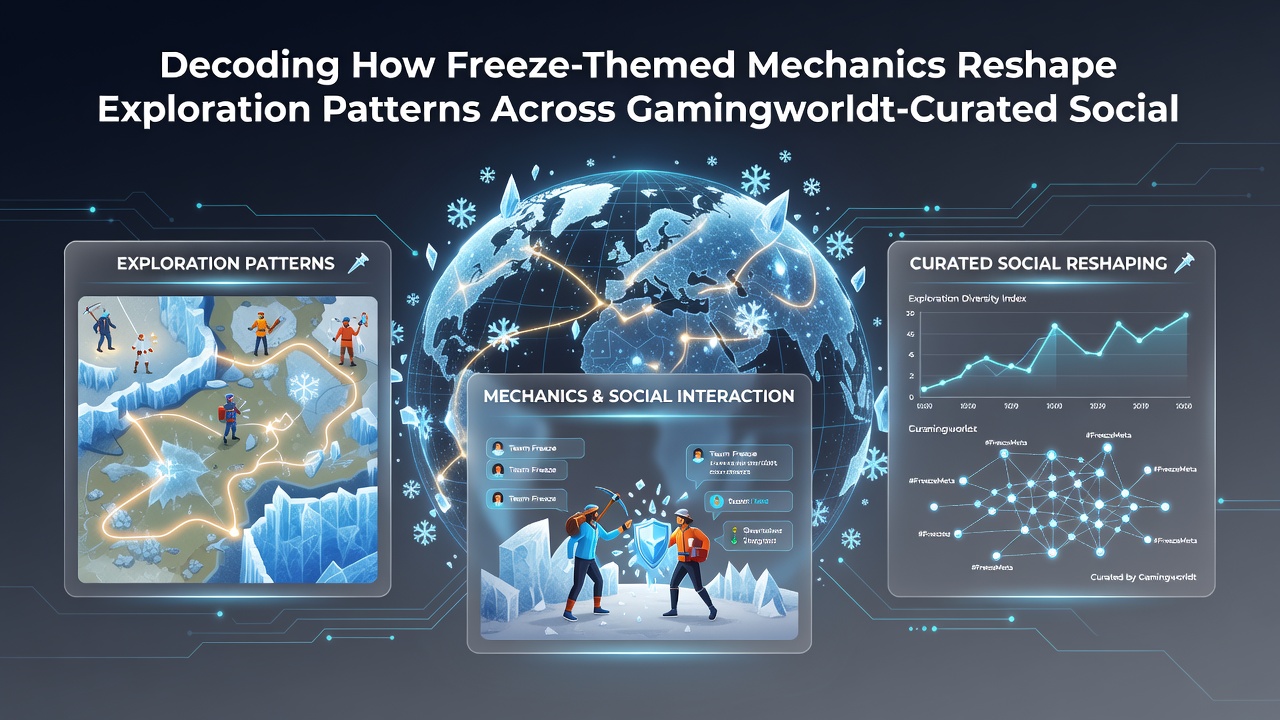
Gamingworldt's organization of social libraries groups titles by theme and volatility, which allows freeze mechanics to stand out as a distinct navigation cue. Researchers tracking user pathways report that freeze-enabled games often serve as anchor points, drawing players into thematic clusters before they branch outward to unrelated sections. This pattern emerged clearly in June 2026 datasets, where heat maps of library navigation displayed denser activity around freeze-featured entries.
One study released by the Responsible Gambling Council highlighted similar behavioral clustering in free-to-play environments, noting that locking symbols prompt users to revisit previously sampled categories rather than venturing into entirely new ones. The report, available through the organization's research library, examined thousands of session logs and found consistent links between freeze duration and reduced random browsing.
Regional Data and Platform Comparisons
Comparative figures from Australian gaming research bodies echo these findings, with reports from the Australian Gambling Research Centre showing that freeze mechanics correlate with steadier exploration rates across free social platforms. Users in those markets display longer consideration periods when selecting follow-up titles after engaging with locking features, which suggests the mechanic shapes decision-making beyond immediate gameplay.
Within Gamingworldt-curated spaces, the effect appears amplified because the platform emphasizes thematic grouping. Observers tracking June 2026 activity logs note that freeze titles positioned at the start of a category row receive higher click-through rates, which then funnel users into deeper catalog dives rather than surface-level scrolling.
Longer-Term Shifts in User Habits
Longitudinal tracking reveals that repeated exposure to freeze mechanics gradually modifies how players approach entire libraries. Instead of rapid sampling across dozens of entries, many users settle into focused loops that alternate between a core freeze title and thematically linked alternatives. Platform analysts at Gamingworldt documented this evolution over a six-month span ending in June 2026, with session recordings indicating fewer but more deliberate transitions between games.
Additional data from the North American Association of State and Provincial Lotteries points to parallel trends in free-play ecosystems, where locking mechanics reduce scattershot exploration in favor of targeted category investigation. These shifts appear most pronounced among users who log frequent but shorter visits, since the mechanic provides sustained engagement within fewer selections.
Integration With Library Curation Strategies
Curation teams at Gamingworldt have adjusted placement algorithms in response to these patterns, positioning freeze-enabled titles to guide traffic toward under-visited sections. Metrics collected through June 2026 confirm that strategic placement increases cross-category movement by measurable margins, while preserving the overall structure of the library. This approach relies on observed user pathways rather than assumptions about preference.
Academic reviews of similar systems, including work published through the University of Nevada's gaming research division, confirm that mechanical anchors like freezing symbols influence discovery breadth when embedded in organized collections. The studies emphasize that outcomes depend on how libraries balance visibility of these features against other catalog entries.
Conclusion
Freeze-themed mechanics continue to modify exploration patterns within Gamingworldt-curated social libraries, as evidenced by session data and comparative regional reports through June 2026. These features create anchor points that extend dwell time and steer subsequent navigation choices, resulting in more structured movement across thematic groupings. Platform adjustments based on these observations maintain the integrity of curated collections while responding to documented user behavior.