Tracing Slot Feature Development from Experimental Additions to Standard Platform Components
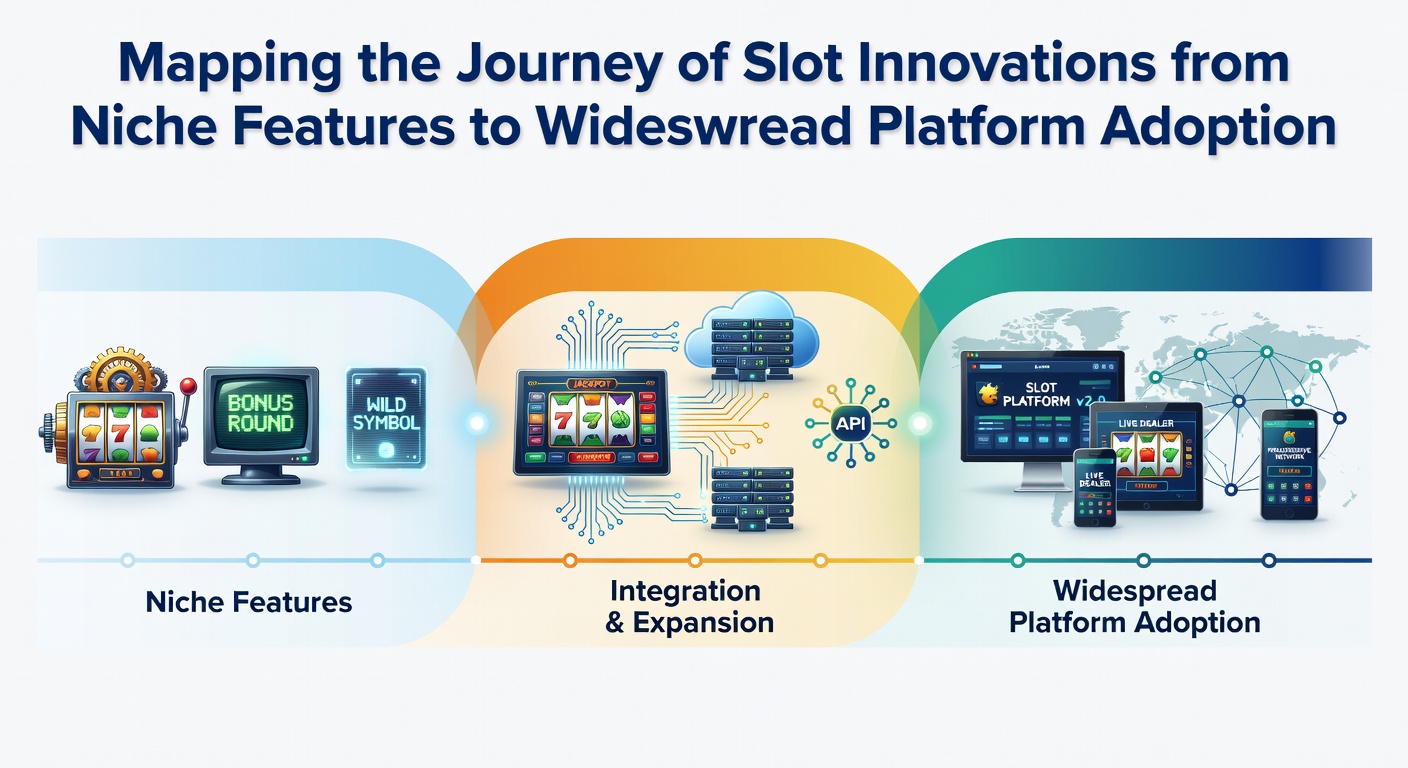
Slot mechanics have followed distinct trajectories since their initial appearances in online environments, beginning as limited experimental elements before achieving integration across multiple platforms. Data from industry tracking services in June 2026 indicates that features once confined to select titles now appear in over 60 percent of new releases on major social gaming sites, reflecting systematic shifts in development priorities and user expectations.
Early implementations often emerged in isolated projects where developers tested concepts such as cascading reels or multiplier systems within narrow parameters. These additions required separate coding frameworks and appeared primarily in niche releases aimed at specific player segments. Over successive development cycles, the underlying code structures became reusable modules that platforms could incorporate without extensive custom work.
Initial Testing Phases and Limited Distribution
Researchers at institutions including the University of Nevada, Reno documented the first widespread trials of bonus round variations in the mid-2010s, noting that such elements initially required dedicated servers and separate payout algorithms. Adoption remained restricted because integration demanded significant backend adjustments on existing casino systems. Regulatory records from the New Jersey Division of Gaming Enforcement show that only a handful of operators received approvals for these features during that period, largely due to verification requirements for random number generators and payout consistency.
Platform operators observed that players engaged longer with titles containing these mechanics, yet the technical overhead limited rollout. Developers responded by creating standardized APIs that allowed features to function across multiple game engines without repeated recoding, a change that accelerated availability on both real-money and social casino sites.
Expansion Through Modular Design and Cross-Platform Compatibility
Modular architecture became central to broader distribution once companies began sharing component libraries among studios. A report compiled by the Canadian Gaming Association in 2025 highlighted that modular bonus systems reduced development time by approximately 40 percent compared with earlier bespoke implementations. This efficiency enabled smaller studios to include advanced mechanics that previously demanded large engineering teams.
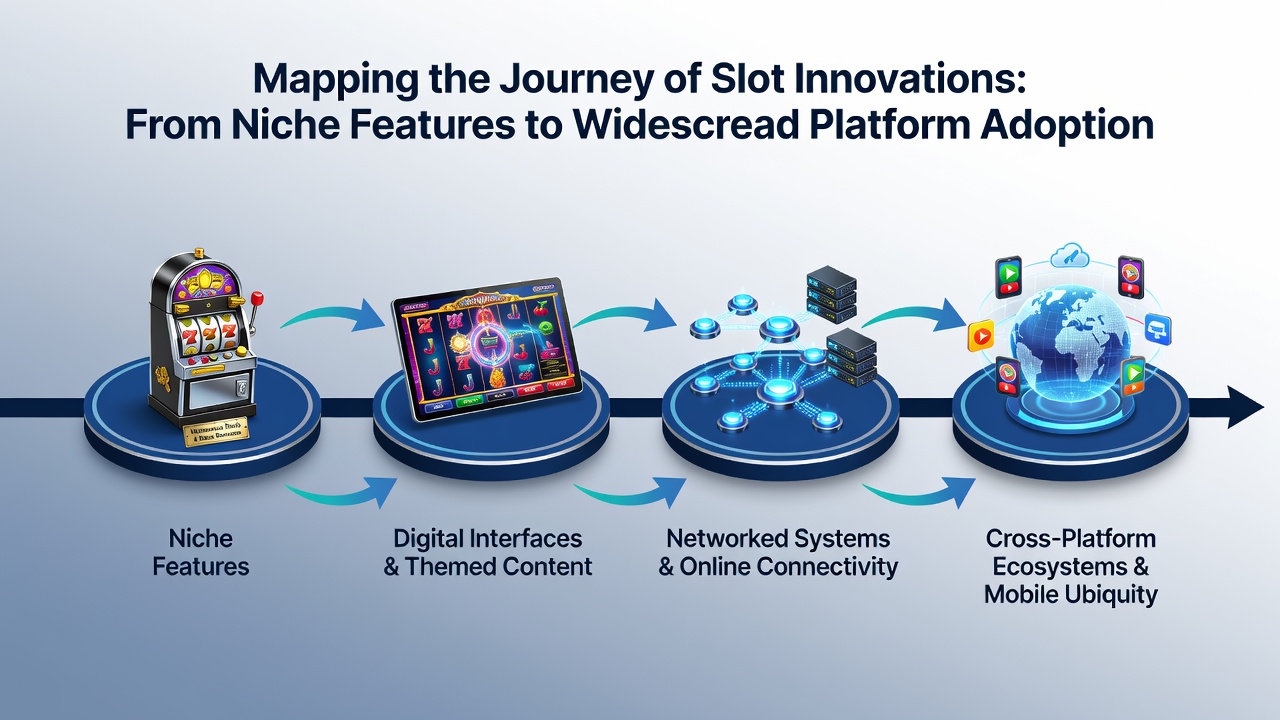
Cross-platform compatibility further supported expansion. Social gaming environments adopted the same feature sets used in licensed casino software because shared frameworks lowered maintenance costs and simplified compliance checks. Figures released by the Australian Communications and Media Authority in early 2026 reveal that 78 percent of social casino catalogs now list at least one title containing mechanics that originated in experimental releases five years earlier.
Regulatory Influence and Standardization Patterns
Regulatory bodies contributed to standardization by publishing guidelines that encouraged consistent implementation of random elements and payout disclosures. European trade organizations such as the European Gaming and Betting Association issued technical standards that aligned feature behavior across jurisdictions, reducing friction for developers targeting multiple markets simultaneously. These guidelines specified testing protocols that became industry benchmarks, allowing features tested in one region to gain quicker clearance elsewhere.
Platform analytics teams tracked engagement metrics and shared aggregated findings through industry forums. Patterns emerged showing that certain mechanics, including expanding wild symbols and free-spin triggers, produced measurable increases in session duration across demographic groups. Those observations prompted additional operators to request the same components from their content providers.
Current Integration Levels Observed in June 2026
By June 2026, catalog analyses conducted by independent research firms indicate that previously niche features occupy prominent positions within recommendation algorithms on leading social platforms. Developers now treat these elements as baseline options rather than optional extras, embedding them during initial design phases instead of adding them later. This shift appears in both free-to-play environments and regulated markets, where operators apply identical core libraries subject only to local certification adjustments.
Academic studies from institutions such as Macquarie University in Australia have examined how repeated exposure to standardized mechanics influences player navigation through game libraries. Their findings suggest that familiarity with common feature sets correlates with higher exploration rates of new titles, because users transfer learned interaction patterns without needing to relearn controls or bonus structures.
Conclusion
The progression from isolated experiments to platform-wide components follows a repeatable sequence involving technical modularization, regulatory alignment, and data-driven validation. Records maintained by multiple oversight agencies confirm that once features demonstrate consistent performance across controlled deployments, they transition into standard offerings within two to three development cycles. This pattern continues to shape content pipelines as platforms prepare upcoming releases scheduled for the latter half of 2026.